A GALLERY OF POSSIBILITIES

Nature, composed.
Your story, considered.

Explore a few directions for your piece. The right pose begins with the specimen, your memory, and the space it will call home.

From the studio. Every photograph below shows a finished mount from Presten’s own work, photographed on black. Select a photograph to view it larger.

6 mount studies shown.

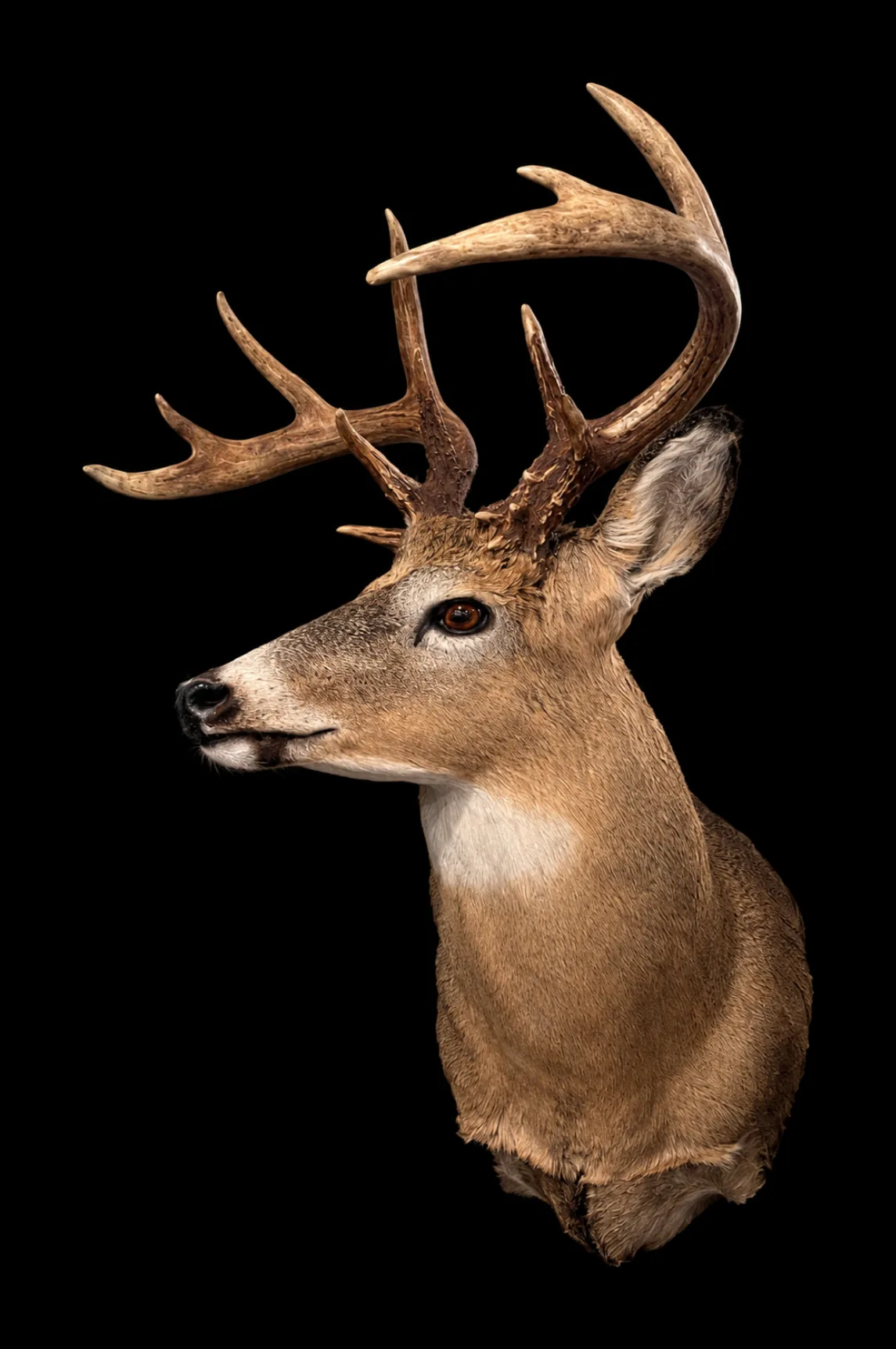
Whitetail buck shoulder mount with a typical rack, head turned to the side, photographed on black.View larger

Whitetail · shoulder mount

The quiet presence.

A shoulder mount draws attention to the antlers, expression, and natural turn of the neck. Think about where you will view the piece before choosing its direction.

  • Wall placement
  • Head direction
  • Antler clearance
Discuss this direction

Whitetail buck, shoulder mount. Availability and specimen suitability are confirmed directly.
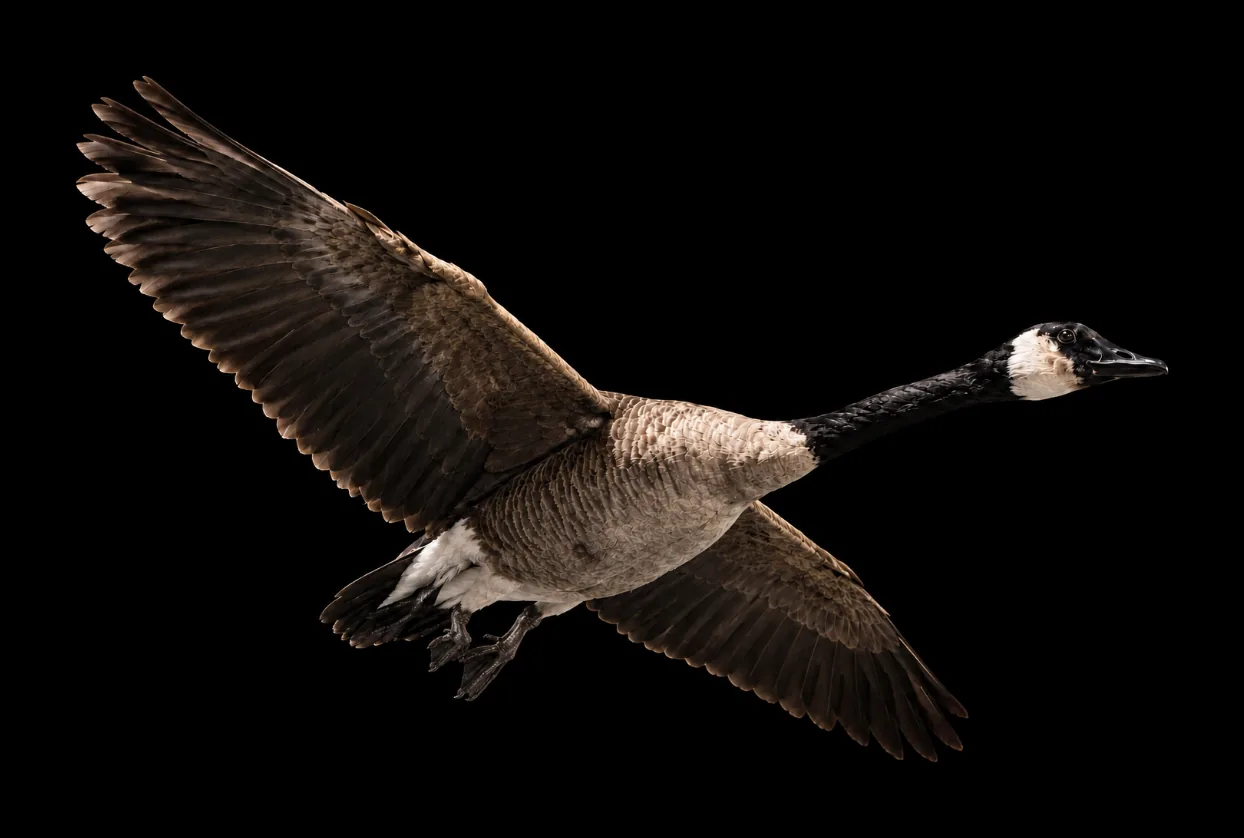
Canada goose mount in flight with wings spread, photographed on black.View larger

Canada goose · flying mount

A moment in flight.

A flying pose gives a waterfowl piece movement and a strong silhouette. Wing position, available wall space, and feather condition all belong in the conversation.

  • Wing position
  • Wall space
  • Viewing direction
Discuss this direction

Canada goose, flying mount. Availability and specimen suitability are confirmed directly.
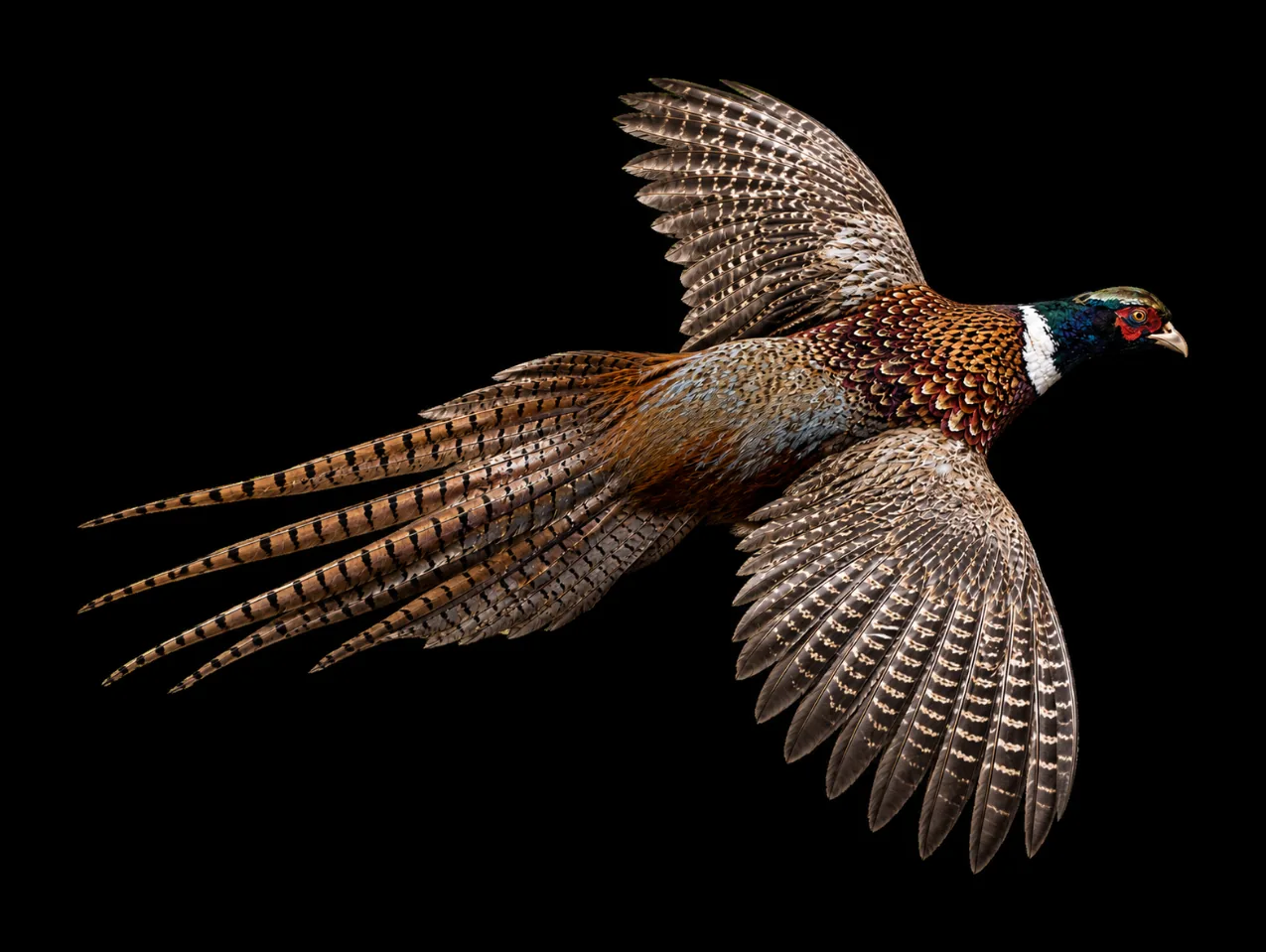
Ring-necked pheasant rooster mount in flight with wings spread and long tail, photographed on black.View larger

Pheasant · flying mount

Color, held in time.

In flight, a pheasant’s colors, open wings, and long tail all become part of the piece. The span of the wings and the reach of the tail decide how much wall it needs.

  • Tail clearance
  • Wing span
  • Viewing height
Discuss this direction

Ring-necked pheasant, flying mount. Availability and specimen suitability are confirmed directly.
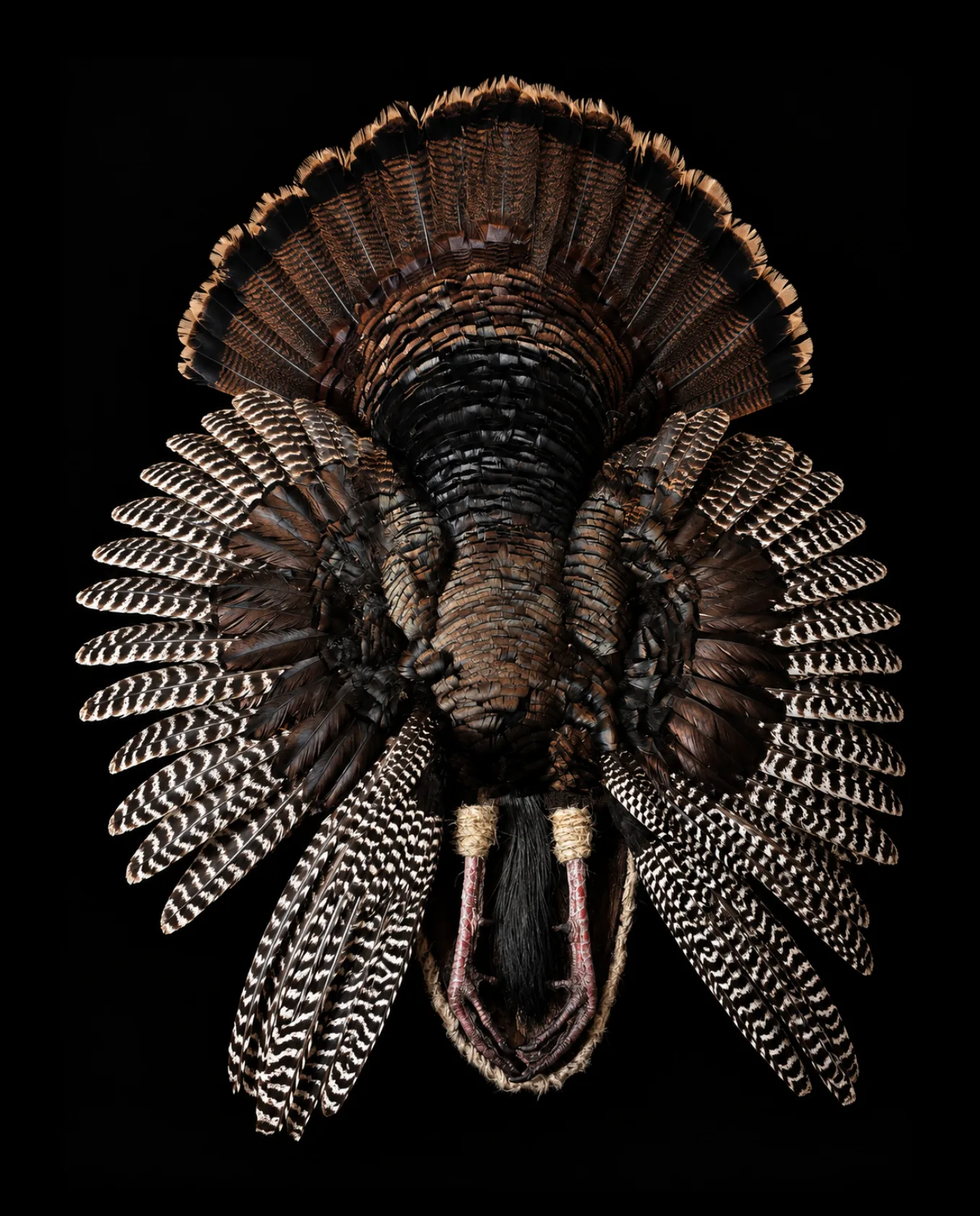
Wild turkey mount with full tail fan and spread wings, beard and feet visible, photographed on black.View larger

Wild turkey · fan and wings

The full fan.

With the tail fanned and the wings spread, a turkey piece becomes a wall of pattern and color. Plan for its width and the space around it from the start.

  • Fan width
  • Wall placement
  • Beard display
Discuss this direction

Wild turkey, mount with full fan and spread wings. Availability and specimen suitability are confirmed directly.
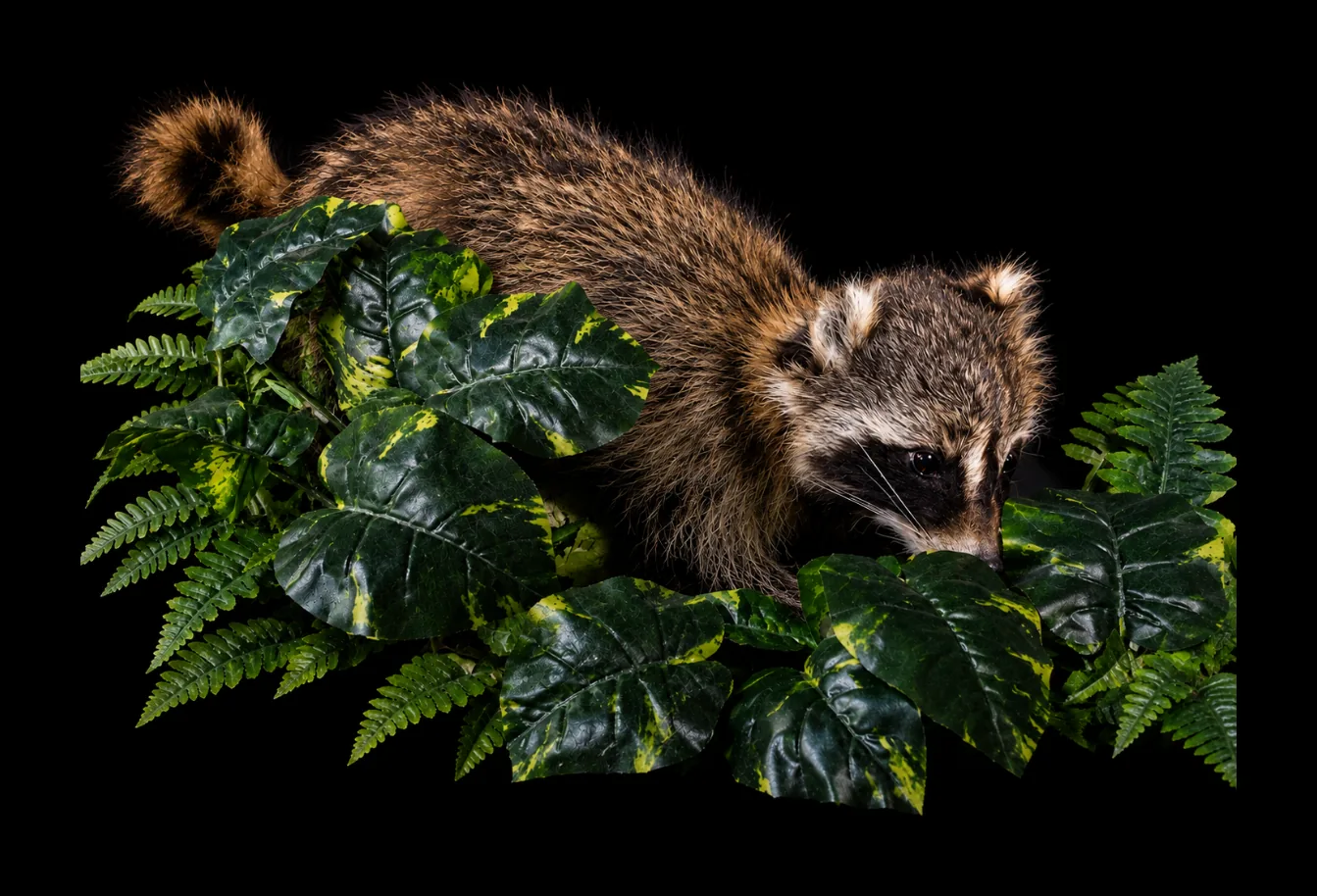
Raccoon mount crouched among green artificial leaves and ferns, photographed on black.View larger

Raccoon · habitat mount

Character, close to the ground.

A small-game piece is often about attitude: the set of the head, the curve of the tail, and the setting around it. Habitat can frame the animal the way you remember it.

  • Pose
  • Habitat elements
  • Base footprint
Discuss this direction

Raccoon, mount set in foliage. Availability and specimen suitability are confirmed directly.
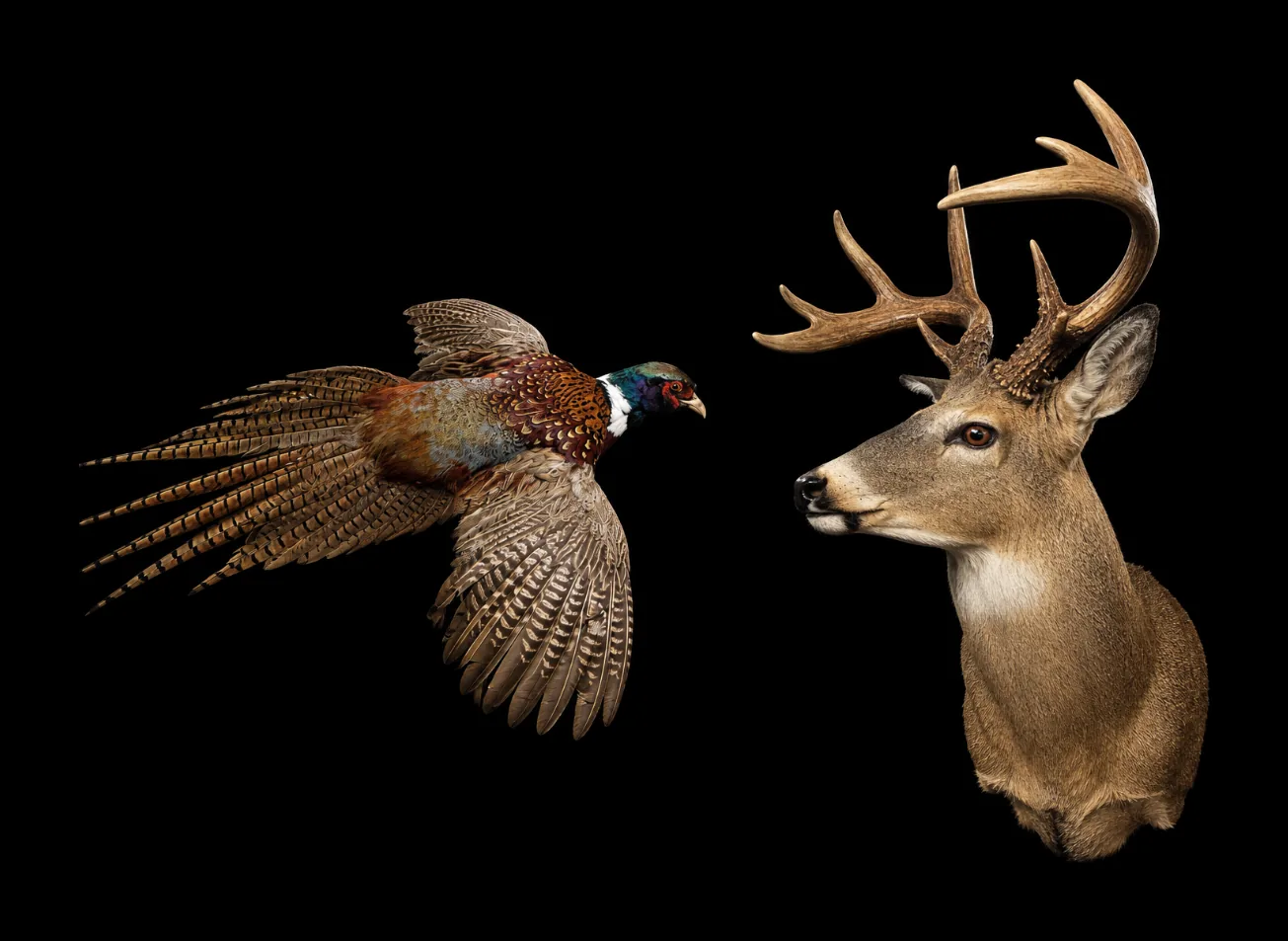
Ring-necked pheasant mount in flight beside a whitetail buck shoulder mount, photographed together on black.View larger

Pheasant & whitetail · together

Two pieces, one wall.

Separate mounts can be planned to hang together. The direction each animal faces, their relative scale, and the spacing between them help two pieces read as one display.

  • Facing direction
  • Scale
  • Spacing
Discuss a display

Ring-necked pheasant flying mount beside a whitetail shoulder mount. Availability and specimen suitability are confirmed directly.

Mount study

Whitetail buck shoulder mount with a typical rack, head turned to the side, photographed on black.
Whitetail buck, shoulder mount.

YOUR NEXT CHAPTER

Start with the story.
We’ll talk about the piece.